Temperature Check: Why Your Bankroll Might Be Running a Fever Before You Even Click Bet
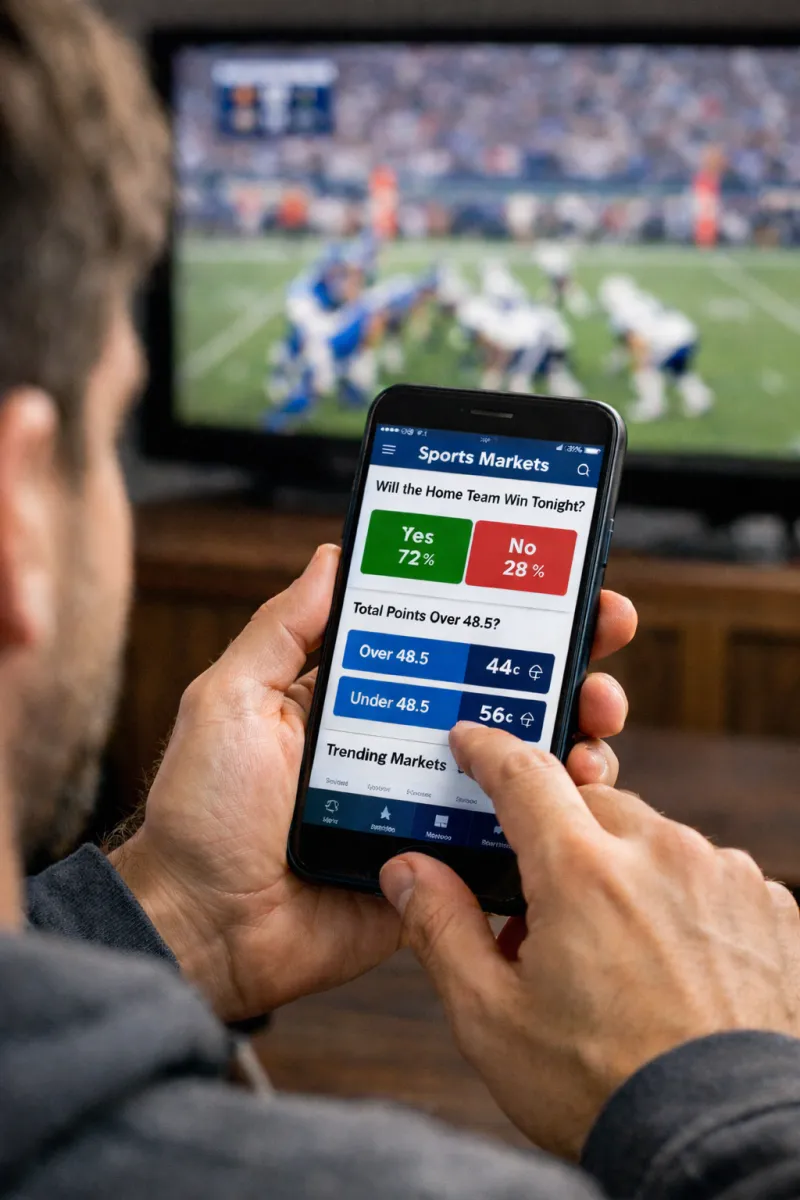
Photo: sportsbook betting app on phone with football game on TV in background, via www.americangaming.org
Every bettor knows the feeling. You're three legs deep into a Sunday parlay, the 4pm slate is loaded, and that number in your account is suddenly looking less like a budget and more like a suggestion. That's exactly when you need to stop and take your bankroll's temperature.
At 25Hots Bets, we talk a lot about hot odds. But heat works both ways — and a bankroll running too hot is just as dangerous as one that's ice cold. Here are five heat checks to run before you size a single bet.
Heat Check #1: The Tilt Thermometer
You just lost a bad beat. Your kicker missed a 48-yarder that would've cashed your spread, and your thumb is already hovering over the deposit button. Stop. That's tilt, and tilt has a signature move: chasing.
The test is simple. Ask yourself, "If I hadn't just lost, would I still like this next bet at this size?" If the honest answer is no — or if the size is bigger than your normal unit — you're not betting, you're retaliating. Sharp bettors treat the hour after a gut-punch loss like a cooldown period. Walk the dog, make a sandwich, come back when the score stops stinging.
Heat Check #2: The Hot Streak Audit
Here's the thing nobody tells you: winning streaks are almost as dangerous as losing ones. You've hit five straight, your confidence is through the roof, and your units have quietly doubled from $25 to $50 to $100. That's not confidence — that's inflation.
Run the math. If your last five bets had gone the other way, would your current stake size still make sense? If your unit sizing is a function of your mood instead of a percentage of your roll (most disciplined bettors land between 1-3% per play), you've got a fever. A hot streak is when your bankroll is at its healthiest — which is exactly when you should protect it, not torch it.
Heat Check #3: The Saturday vs. Sunday Split
Context matters. A $50 bet on a random Tuesday NBA game and a $50 bet on the Super Bowl are not the same bet psychologically. Big event days — NFL Sundays, the first weekend of March Madness, fight nights — create an environment where stakes feel smaller because everyone's betting big.
The check: does your stake size change on high-profile days? If yes, that's not a strategy, that's a party. Your unit size shouldn't know what day it is. The bracket pool with your buddies is for fun money; your bankroll is for business.
Heat Check #4: The Deposit Recency Test
When did you last deposit? If the answer is "today" or "this week," and you're sizing up bets with that fresh money, your bankroll isn't really a bankroll — it's a rolling tab. A true bankroll is a set-aside amount you can lose without it touching rent, groceries, or the electric bill.
Quick gut check: if your next five bets all lost, would you be fine? Not comfortable — fine. If the answer makes you squirm, the sizing problem isn't your stake, it's your total exposure. Shrink the bankroll to what's truly disposable and size from there.
Heat Check #5: The Why-Am-I-Betting Test
This one's the deepest cut. Before any bet above your normal unit, ask what you're actually buying. Entertainment? Action while you watch the game? Or the feeling of being due? Bets placed to manufacture excitement or repair a bad day are bets with a hidden vig — and it's paid in judgment.
The sharps we know treat every wager like an investment decision: there's a number, a reason, and a size that matches the edge (or the entertainment budget). If you can't articulate why this game at this price at this size, the market doesn't need your money today.
Keeping Your Cool Long-Term
Bankroll management has a reputation problem. It sounds like the vegetables of sports betting — technically good for you, nobody's excited about it. But flip the frame: heat checks are how you stay in the game long enough for your best reads to actually pay off. The bettor who survives the bad beats and resists the hot-streak euphoria is the one still standing in Week 18, still cashing tickets when the chasers have gone quiet.
Set your units. Write them down. Run the five checks above before you size anything unusual. Your future self — the one with a bankroll still intact in March — will thank you.
Play sharp, stay cool, and check that temperature before every click.