Wednesday Warnings: How to Beat the Line With the NFL Injury Report
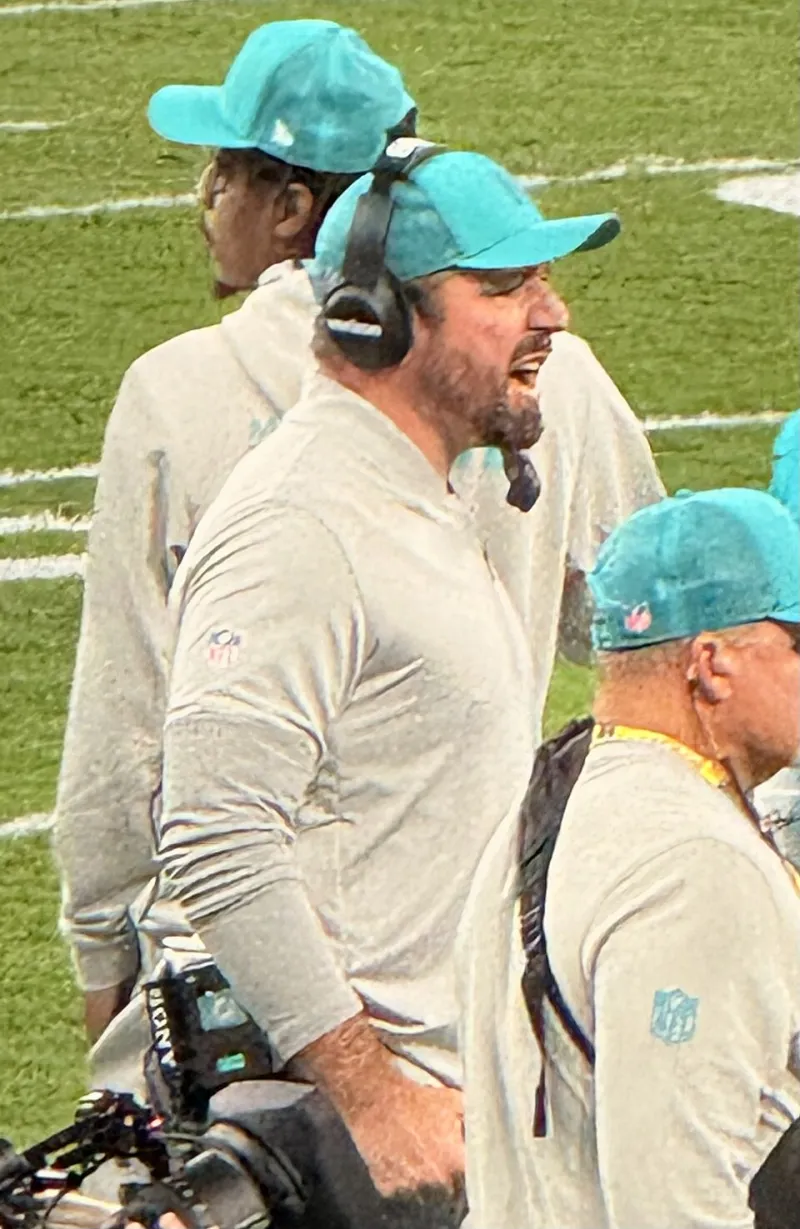
Photo: FS3football, CC0, via Wikimedia Commons
Every NFL week runs on a schedule, and the injury report is the metronome. Wednesday's practice participation report lands in the early afternoon. By the time you're grabbing coffee Thursday morning, the sharpest books have already adjusted. The casual bettor? They find out their running back is doubtful on Sunday morning from a pregame show. That lag — between when the information exists and when the price reflects it — is where your edge lives.
At 25Hots Bets, we're big on reading the market before clicking bet, and nothing rewards a sharp read quite like injury reporting done right. Here's how to do it.
The Report Is a Signal, Not a Verdict
The league's injury designations follow a strict hierarchy: out, doubtful, questionable, and the practice participation tags of limited, full, or did not participate (DNP). Oddsmakers don't treat these equally.
- Out is priced in almost immediately. If a starter is ruled out Wednesday, the line has usually moved by Thursday morning. You're late.
- Doubtful is functionally out. Books price it that way, but the market sometimes hesitates because doubt technically leaves the door open. That hesitation is your window.
- Questionable is where the noise lives. It's the most misread tag in sports betting. A questionable star who practiced fully on Friday is playing. A questionable star who didn't practice all week is a coin flip with a bad ankle.
The designation alone tells you almost nothing. The practice pattern across the week tells you everything.
Read the Week, Not the Day
Think of each player's week as a trend line, not a snapshot:
- DNP, DNP, DNP — the player almost certainly isn't playing, regardless of what Friday's tag says. Coaches use questionable here as gamesmanship.
- DNP, Limited, Limited — trending the right way, but it's a game-time decision. This is where you watch Saturday's news and the late-week beat reports.
- Limited, Limited, Full — the classic managed-practice pattern for a veteran. He's playing. Don't overthink it.
- Full participation all week with a questionable tag — that's a coach keeping a name on the report for competitive reasons. He's fine.
The trap most bettors fall into: reacting to Friday's tag without looking at Monday-through-Thursday context. A questionable player who upgraded from two DNPs is a different animal than a questionable player who downgraded from full participation. Same tag, opposite situation.
Which Injuries Actually Move Lines
Not all absences are created equal. Books price injuries by their impact on winning probability, not by name recognition alone.
Quarterbacks move the most, obviously — but the magnitude depends on the backup. A star QB out with an elite-tier backup behind him might only shift the line 3 points. The same injury with a practice-squad callup behind center can move it 7 or more. Know the depth chart, not just the starter.
Offensive tackles are the sneaky market-mover. A blind-side tackle out against a strong edge rusher is worth more than most skill players. Books know this; casuals don't.
Cornerbacks and coverage linebackers matter most in matchups. A top corner's absence is worth far more against a WR1-heavy offense than against a team that spreads targets around.
Running backs are the least valuable position to lose, individually. Committees absorb backfield injuries. If the line moves more than a point on a lone RB, ask why — it might be the offensive line, not the back.
Spotting the Lag Between News and Price
Here's the practical workflow. Set your week around these beats:
Wednesday afternoon: The first participation report drops. Compare it against the current line. If a key player is a DNP and the line hasn't moved, you may have found your gap. Don't bet yet — one DNP isn't conclusive — but flag it.
Thursday and Friday: Track the trend. A player who stays sidelined while the line sits still is a market waiting to correct. This is when you can grab a number before the books adjust.
Friday evening: Final designations post. Doubtful tags get priced fast here. If a doubtful star was still priced into the line all week, the Friday move can be sharp and sudden.
Saturday: Watch for practice-squad elevations and beat reporter signals. Teams that elevate a specific backup are tipping their hand.
Sunday morning: Inactives drop 90 minutes before kickoff. By then, you're mostly confirming, not finding value. The money was made Thursday and Friday.
Don't Overreact to the Noise
The flip side of acting fast is acting dumb. Some rules to keep yourself honest:
- One report isn't a trend. Players get veteran rest days. A Wednesday DNP for a 30-year-old receiver might be scheduled maintenance, not an injury.
- Coaches lie by omission. Some franchises are notoriously vague — the report is a negotiation, not a confession. Weight your trust by team history.
- The line already knows. If a star's DNP is widely reported and the number hasn't budged, the market probably already baked it in. You're not early; you're just informed.
- Don't stack injury bets. Betting the alternate because a starter is out, then also betting the under because of the same injury, doubles your exposure to one read being wrong.
The Gap Is the Edge
The injury report isn't insider information — it's public, free, and on a fixed schedule. The edge comes from treating it like a workflow instead of a headline. Read the participation trends, know which positions the market actually prices, and be ready to move Thursday when the casual money is still waiting for Sunday.
Lines move fastest in the hours after final designations and again when inactives confirm. Your job is to be positioned before that second wave. Read the report like an oddsmaker does — coldly, weekly, and with a finger on the number — and the lag stops being their advantage. It becomes yours.