Turn Up the Gauge: A Bettor's Guide to Separating Lukewarm Lines From Genuine Value
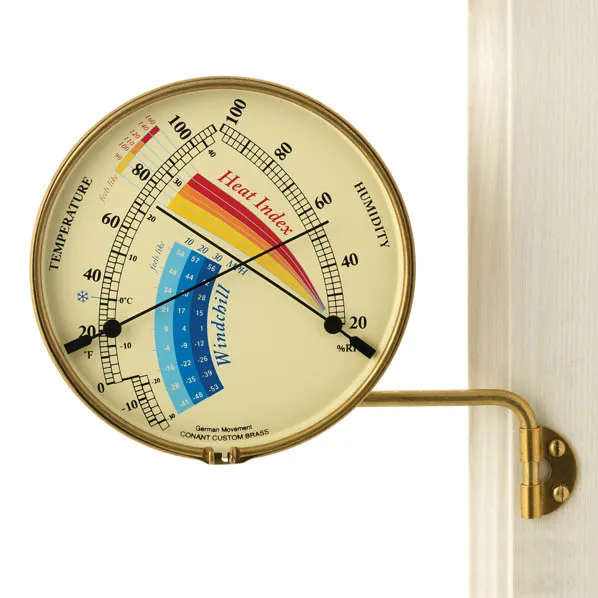
Photo: Conant, CC BY-SA 3.0, via Wikimedia Commons
Every sportsbook lobby is a room full of markets shouting for attention. Some of them are worth your bankroll. Most of them are noise. The problem is that noise looks exactly like opportunity when you're scrolling at 11 p.m. with a parlay itch.
So we did what we do here at 25Hots Bets: we put a thermometer on it. Below is a working framework — call it the heat scale — that ranks any betting market from stone cold to red-hot based on three things that actually matter: whether the line holds value, whether there's real liquidity behind it, and how quickly the number reacts to new information.
Why Temperature Is the Right Metaphor
Markets aren't good or bad in a vacuum. A Sunday NFL spread is sizzling at kickoff and lukewarm by Wednesday. An obscure table tennis total is room temperature all day — not because it's bad, but because nobody's trading it and the price just sits there.
Heat, in our book, means three things are true at once:
- Value: the price offers a margin over the true probability, even a thin one
- Liquidity: enough action flows through the market that you can get your size down without wrecking the number
- Movement: the line responds to injuries, weather, and sharp money the way a live market should
A market can have one of these and still be a trap. You need at least two, ideally all three.
The Bottom of the Scale: Frozen
Start at the bottom, because this is where casual bankrolls go to die.
Frozen markets are the novelty props and cross-sport mashups — first player to thank their mom, combined quarterback passing yards across two games, that kind of thing. The juice on these is often 20% or worse, sometimes hidden inside rounded prices that make comparison shopping impossible. There's no liquidity to speak of, so the book can post whatever number it wants.
If a market exists purely to be bet and not to be handicapped, it's frozen. Touch it for entertainment money only, if at all.
Lukewarm: The Comfortable Trap
One notch up sits the biggest section of any lobby: lukewarm markets. Pre-game moneylines in low-profile leagues, season-long win totals months before the season, futures with dozens of plausible outcomes.
These aren't scams. They're just priced with enough margin that the long-term math tilts firmly toward the house. The line moves, but slowly, and usually not enough to hand you an edge. Plenty of bettors live their whole lives in the lukewarm zone because it feels like action without ever demanding real analysis.
Warm: Where Disciplined Bettors Shop
Warm markets are mainstream markets at the right moment. A college basketball total posted early with a soft opener. An MLB division race where the futures price hasn't caught up to a rotation upgrade. Main spreads and totals in major US sports — NFL, NBA, NHL, MLB — when they're posted but before the market fully forms.
Warm doesn't mean free money. It means the margin is thin enough that if you do the work — injury reports, rest situations, travel spots — your reads can actually matter. This is the floor for anyone betting seriously.
Red-Hot: The 25-Hots Zone
At the top of the scale, you've got markets where all three heat signals fire together:
- Live NFL spreads and in-play totals, where the number moves on every drive and a quick read on momentum can beat the re-price by a beat or two
- In-game NBA totals during blowouts and foul trouble, where rotation news hits faster than the algorithm adjusts
- Post-injury NFL lines, the window between an announcement and the market fully digesting it
The red-hot zone isn't about bigger payouts. It's about timing — being right when the price is momentarily wrong. That's the only consistent edge that exists in sports betting, and it only appears in liquid, fast-moving markets.
How to Use the Gauge Yourself
Before any bet, run three quick checks:
- Can I compare this price anywhere else? If not, you can't verify value. Likely frozen.
- Does the line move on news? Track it for a day. Dead lines mean dead markets.
- Do I have an actual reason to think the number is off? Not a hunch — a reason. Injury, schedule, weather, motivation.
Two yeses minimum, or pass. It's a blunt instrument, but it'll filter out 80% of the bad bets a typical lobby tries to sell you.
The house edge is a constant. Your market selection is the variable. Keep the thermometer handy and bet where it's hot — or don't bet at all.