Stop Chasing Streaks: What the RNG Actually Does to Your Casino Session
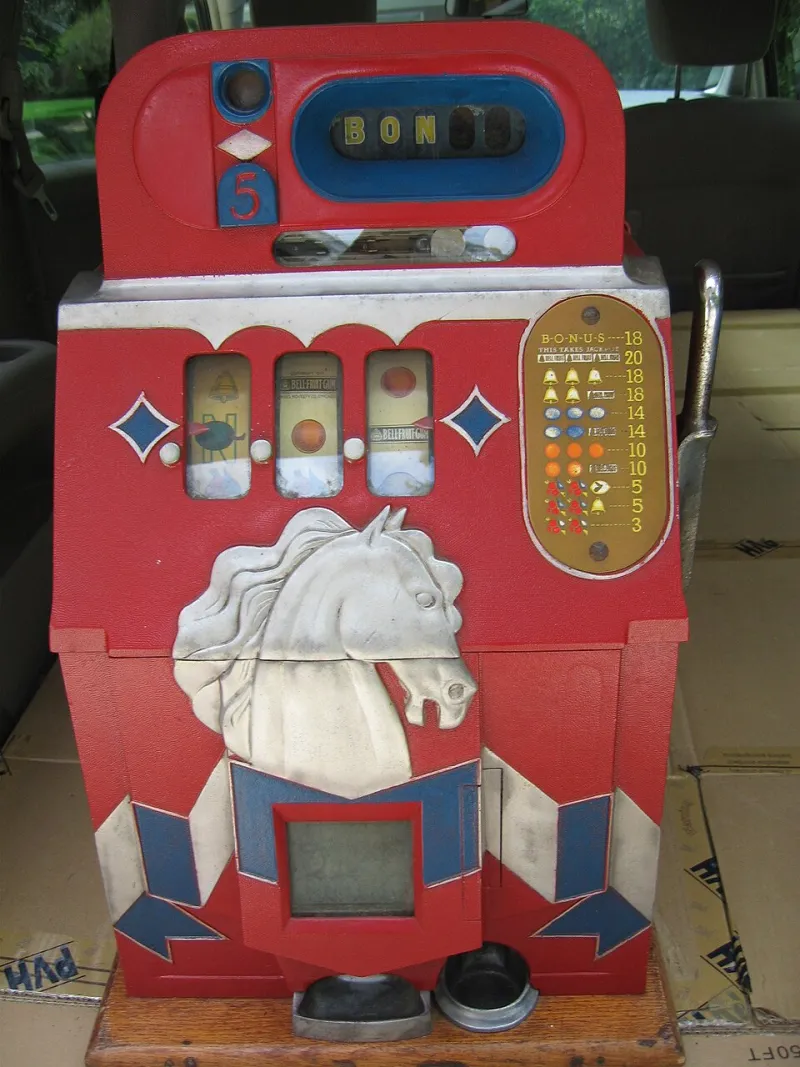
Photo: Gameroom Show, https://www.gameroomshow.com/faq/#Copyright, CC BY-SA 4.0, via Wikimedia Commons
Spend ten minutes in any casino chat — online or on a Vegas floor — and you'll hear it: "That game's hot right now." "I drained that slot, it's cold." Players track streaks the way meteorologists track fronts, convinced temperature is real and readable.
We're a betting site with a thermometer in our name, so believe us when we say: in the casino lobby, the temperature reading is almost always fiction. Here's what's actually running the show, in plain English.
The Machine Doesn't Remember Your Last Spin
Every licensed online slot runs on a random number generator — an RNG — that spits out results independently, spin after spin. Independent is the key word. The game has no memory of your session, your deposit size, or the fact that it just paid a bonus two spins ago.
The classic gambler's fallacy says a slot is "due" after a cold stretch. The math says otherwise: after twenty dead spins, the twenty-first has exactly the same odds as the first. A machine that just hit a jackpot is not cooling down. A machine that's been silent for an hour is not warming up. The streak exists only in the pattern-seeking part of your brain, which evolved to find faces in clouds and trends in static.
RTP Is a Lifetime Average, Not Tonight's Forecast
Return to player — RTP — is the percentage a game is programmed to pay back over an enormous number of spins, often millions. A 96% RTP slot returns $96 per $100 wagered eventually, on average, across everyone who ever plays it.
What RTP does not tell you: what happens in your next 200 spins. Short-term results swing wildly around that average, which is precisely why streaks feel so real. You sample a tiny slice of a long curve and mistake the slice for the shape.
Volatility Is the Number That Actually Matters to You
If RTP is the destination, volatility is the ride. Low-volatility games pay small amounts frequently — long sessions, gentle swings. High-volatility games can eat a hundred spins without a whisper, then drop a payout that dwarfs your session. Same RTP, completely different experience.
Most "hot" and "cold" talk is really just volatility being felt in real time. A high-variance slot isn't running cold. It's running exactly as designed, and the design includes long droughts.
So What Separates a Winning Session From a Donation?
Since you can't read the RNG, the only variables you control are these:
- Game selection. Check the RTP in the info tab. A point or two of difference is real money over a session.
- Volatility matching. Chasing a bonus feature on a high-variance game with a thin bankroll is a fast exit. Size your game to your roll.
- Session limits. Decide your stop-loss and walk-away number before the first spin, when you're still the reasonable version of yourself.
- Bonus math. Wagering requirements attached to casino promos can quietly double the cost of a "free" offer. Read the rollover before you opt in — we've covered the fine print elsewhere and it's never pretty.
Notice what's missing from that list: timing, streaks, and machine temperature. None of it survives contact with the math.
The Honest Version of "Hot"
Here's the one concession worth making. Hot and cold aren't real as predictors, but they are real as descriptions of your own results — and that's where they turn dangerous. A hot streak pumps your confidence until you're betting sizes your bankroll can't back. A cold streak chases you into deposits you never planned to make.
The players who last treat every session as an independent event with a fixed budget, same as the RNG treats every spin. The game doesn't know it's hot. Don't let your wallet find out otherwise.